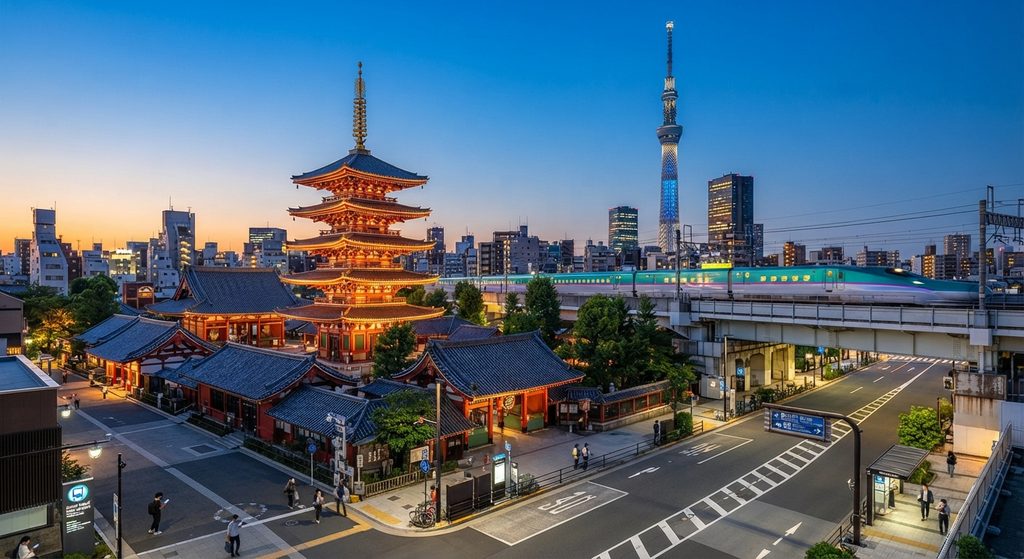
In the ever-evolving landscape of global travel, reaching the summit is no small feat. According to the World Economic Forum’s (WEF) Travel & Tourism Development Index (TTDI), Japan has officially claimed the #1 spot globally, setting a new benchmark for what a world-class tourism ecosystem looks like.
For Destination Marketing Organizations (DMOs), policymakers, and passionate travel enthusiasts alike, Japan’s rise offers a masterclass in blending ancient tradition with hyper-modern infrastructure. But how did Japan leapfrog traditional heavyweights to secure the crown? Let’s dive deep into the TTDI data to unpack the pillars of Japan’s unbeatable success.
1. Infrastructure Mastery: Seamless Mobility and Safety
At the heart of Japan’s TTDI dominance is its peerless infrastructure and service network. Travel in Japan is defined by precision, reliability, and security.
- World-Class Public Transit: Japan’s rail network—anchored by the Shinkansen (bullet train) system—provides hyper-efficient, multi-modal connectivity that links mega-cities like Tokyo and Osaka with rural prefectures. For visitors, navigating a foreign country is frictionless thanks to standardized English signage, reliable timing, and digital integration.
- Unrivaled Safety and Security: Safety remains a cornerstone of the TTDI framework. Japan consistently ranks among the safest nations globally, giving solo travelers, families, and luxury tourists alike a supreme sense of security whether walking through a bustling neon-lit alley in Shinjuku at midnight or exploring a quiet mountain path.
- ICT Readiness: Japan leverages cutting-edge technology to assist travelers. From ubiquitous high-speed connectivity to AI-driven translation tools and smart transit cards, the digital ecosystem reduces friction at every stage of the journey.
2. Cultural Preservation Meets Modern Appeal
Japan’s T&T Resources pillar is a powerhouse, driven by a rare ability to preserve its historical identity while continuously innovating its modern cultural exports.
- Intangible and Tangible Heritage: Japan boasts a rich tapestry of UNESCO World Heritage sites, ancient temples, and immaculately preserved historical districts. However, its strength lies in living heritage—traditional arts, crafts, tea ceremonies, and regional craftsmanship that are actively protected and celebrated.
- The Global Gastronomy Boom: Food tourism is a massive economic driver. Japan’s culinary landscape—ranging from Michelin-starred kaiseki dining to humble ramen-yas and street-food markets—caters to the explosive growth of experiential, food-focused travelers.
- Pop Culture and Creative Industries: Beyond tradition, modern cultural touchstones like anime, gaming, design, and fashion draw millions of millennial and Gen-Z visitors, ensuring the destination appeals generationally across diverse traveler segments.
3. Proactive Visitor Management and Sustainability
As global tourism rebounds past pre-pandemic highs, many destinations are buckling under the weight of “overtourism.” Japan, however, has leaned heavily into strategic visitor management and sustainability to protect its local communities.
- Spreading Demand Beyond Hotspots: While iconic hubs like Tokyo, Kyoto, and Osaka experience heavy foot traffic, Japan’s DMOs and regional governments have aggressively promoted lesser-known prefectures. Through targeted campaigns highlighting rural tourism, hiking trails (like the Kumano Kodo), and regional festivals, Japan successfully disperses economic benefits away from overcrowded centers.
- Balancing Growth with Community Well-Being: Japan’s strategy recognizes that long-term tourism success depends on maintaining the “social license” to operate. By implementing localized visitor management rules, promoting respectful tourist behavior codes, and prioritizing infrastructure that serves both residents and visitors, Japan mitigates the friction points that plague other top global destinations.
Lessons for DMOs: What Can Other Destinations Learn?
For DMO leaders looking to emulate Japan’s success, the TTDI data highlights three key takeaways:
- Invest in Frictionless Infrastructure: Safety, cleanliness, and seamless multi-modal public transit form the baseline of traveler satisfaction. If getting around is stressful, everything else suffers.
- Monetize and Protect Culture Authentically: Do not manufacture experiences. Authentically preserve local heritage, cuisine, and arts while making them accessible to international guests.
- Manage Growth Proactively: Do not wait for a crisis of overtourism. Use data, digital tools, and regional marketing campaigns to steer visitors toward secondary and tertiary markets before bottlenecks occur.
Final Thoughts
Japan’s ascent to the top of the TTDI is not an accident of geography or a byproduct of post-pandemic luck. It is the result of decades of deliberate investment in safety, infrastructure, cultural integrity, and forward-thinking visitor management. For travelers, it cements Japan as the ultimate bucket-list destination; for DMOs, it serves as the ultimate gold standard of modern tourism governance.